Your Roof. Done Right. No Surprises. No BS.
Serving Broward & Palm Beach County. Tile, Metal, Shingle, Flat & Commercial Roofing. 10-Year Workmanship Warranty. Financing from $99/Month.
 20+ Years
 Licensed & Insured CCC1328895
 10-Year Warranty
 Financing $99/Month
 24/7 Emergency
OUR SERVICES
Everything Your Roof Needs. One Company. One Call.
From full replacement to emergency repair — we handle every roofing type across Broward and Palm Beach County.
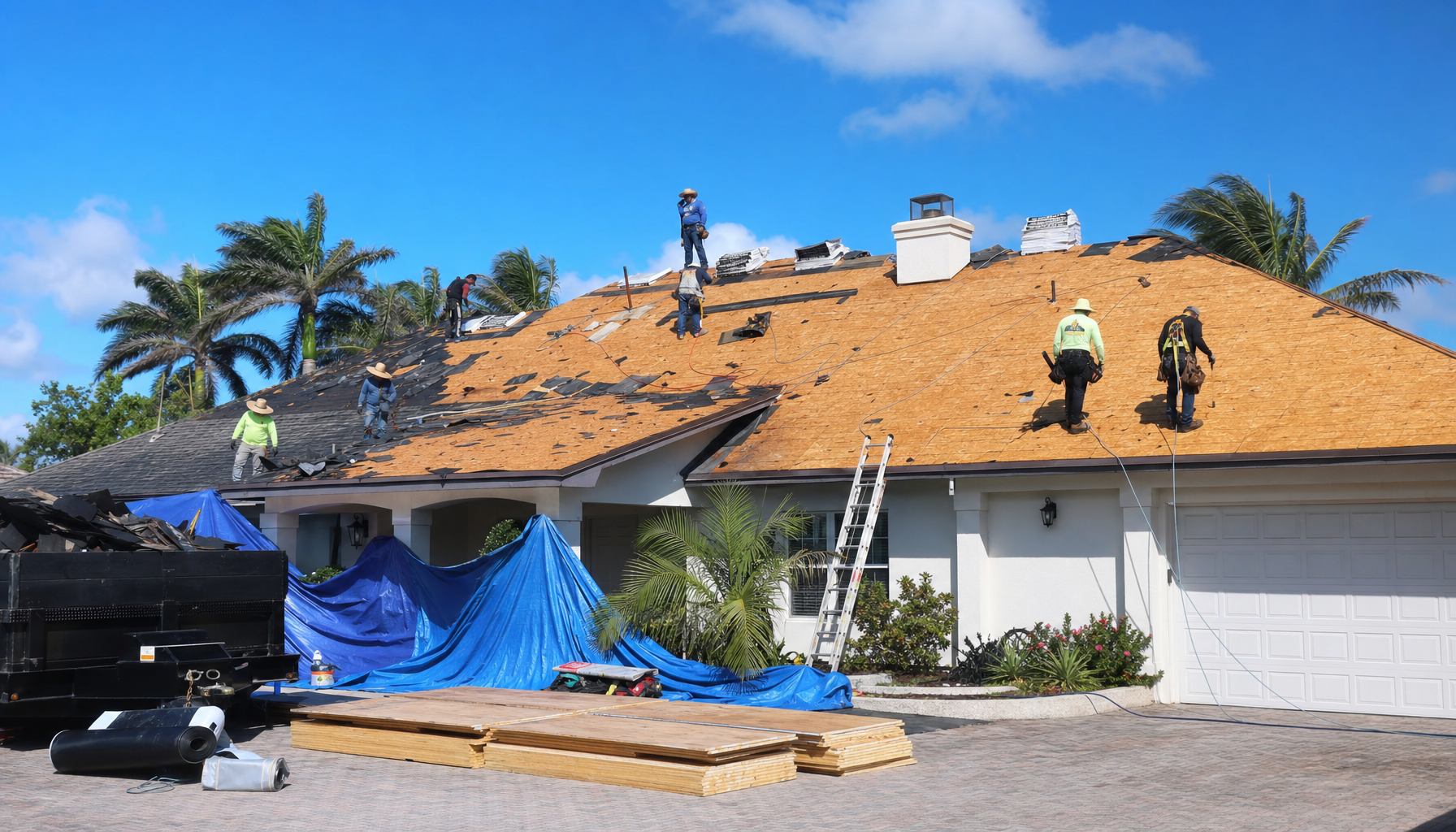
Roof Replacement
Full tear-off and replacement with premium materials. We handle the permits, inspections, and warranty. Learn More/a>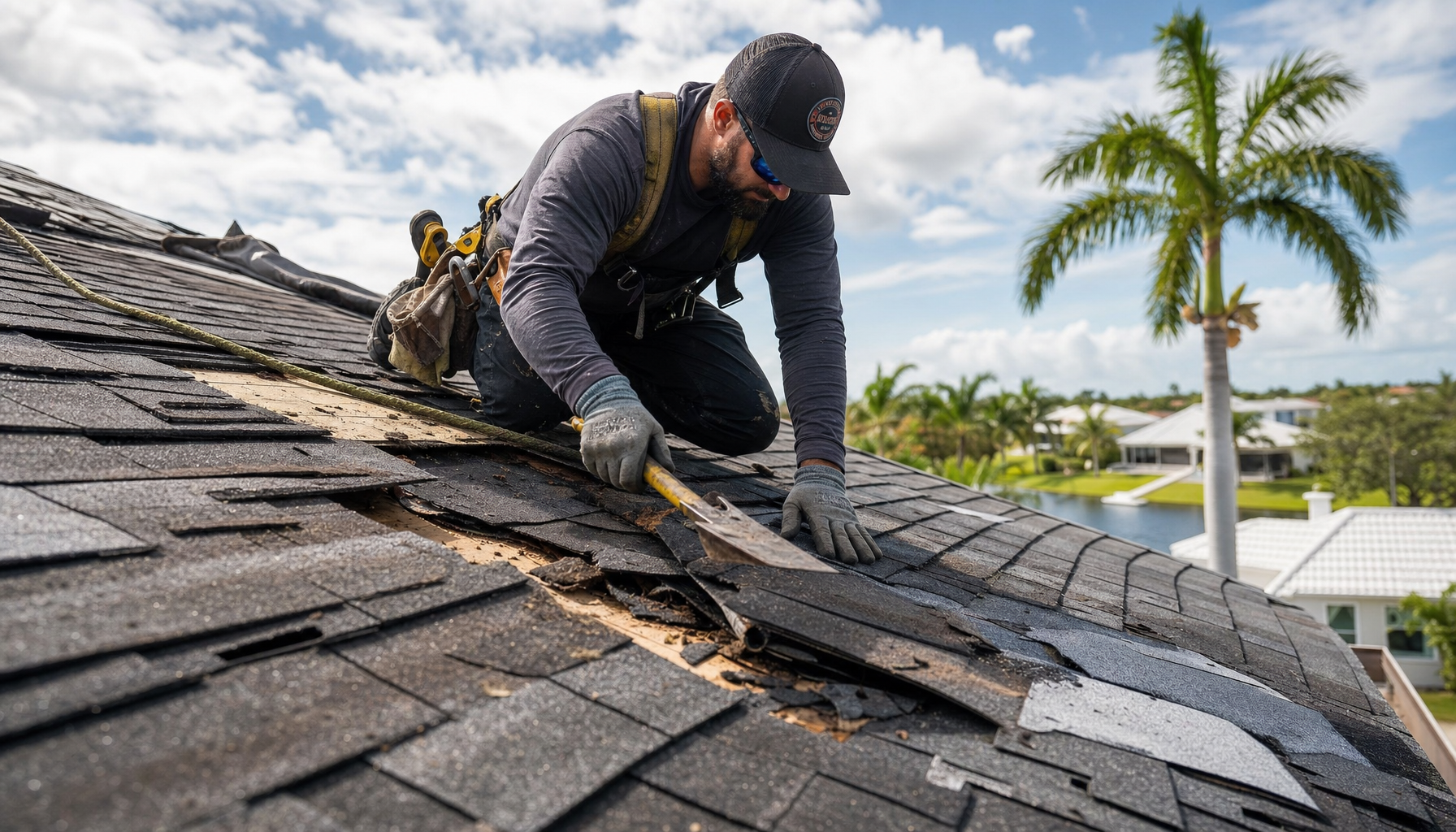

Roof Repair
Leaks, missing shingles, storm damage, flashing failures. We find it, fix it right, and back it with a warranty. Learn More/a>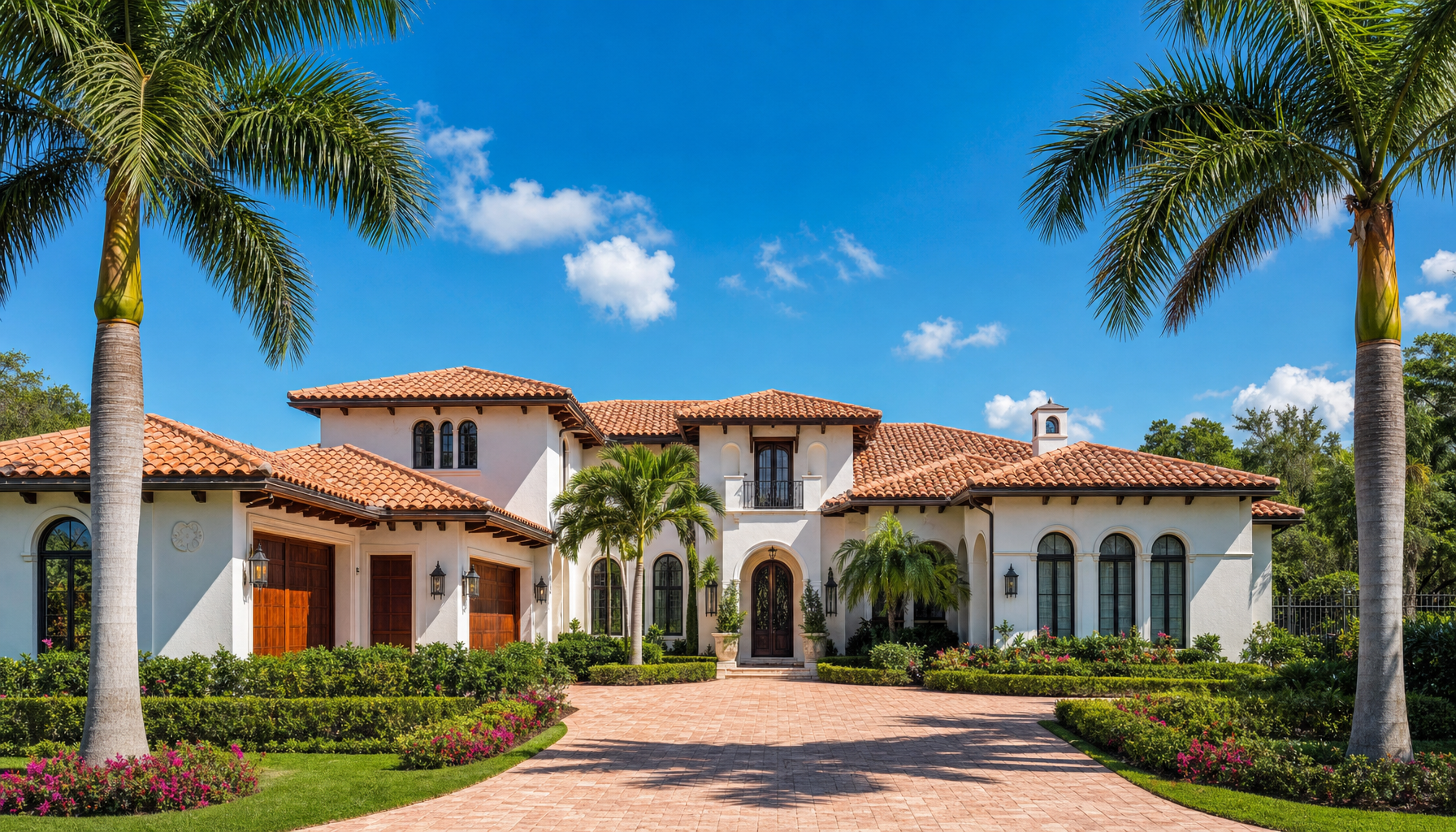

Tile Roofing
Concrete and clay tile installation and repair. The South Florida standard — beautiful, durable, hurricane-rated. Learn More/a>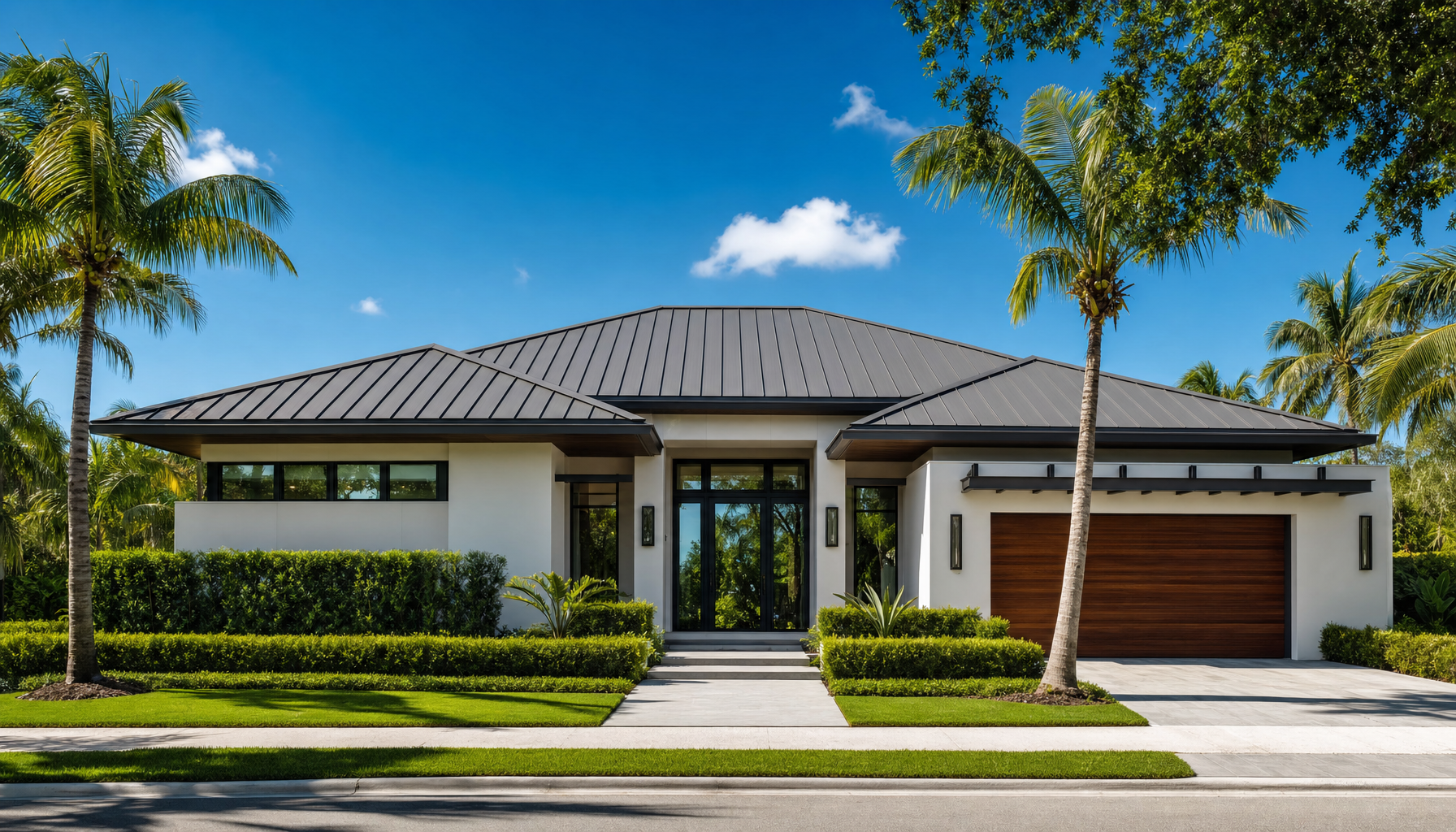

Metal Roofing
Standing seam and metal panels — energy-efficient, wind-resistant, built to last 40-70 years in South Florida. Learn More/a>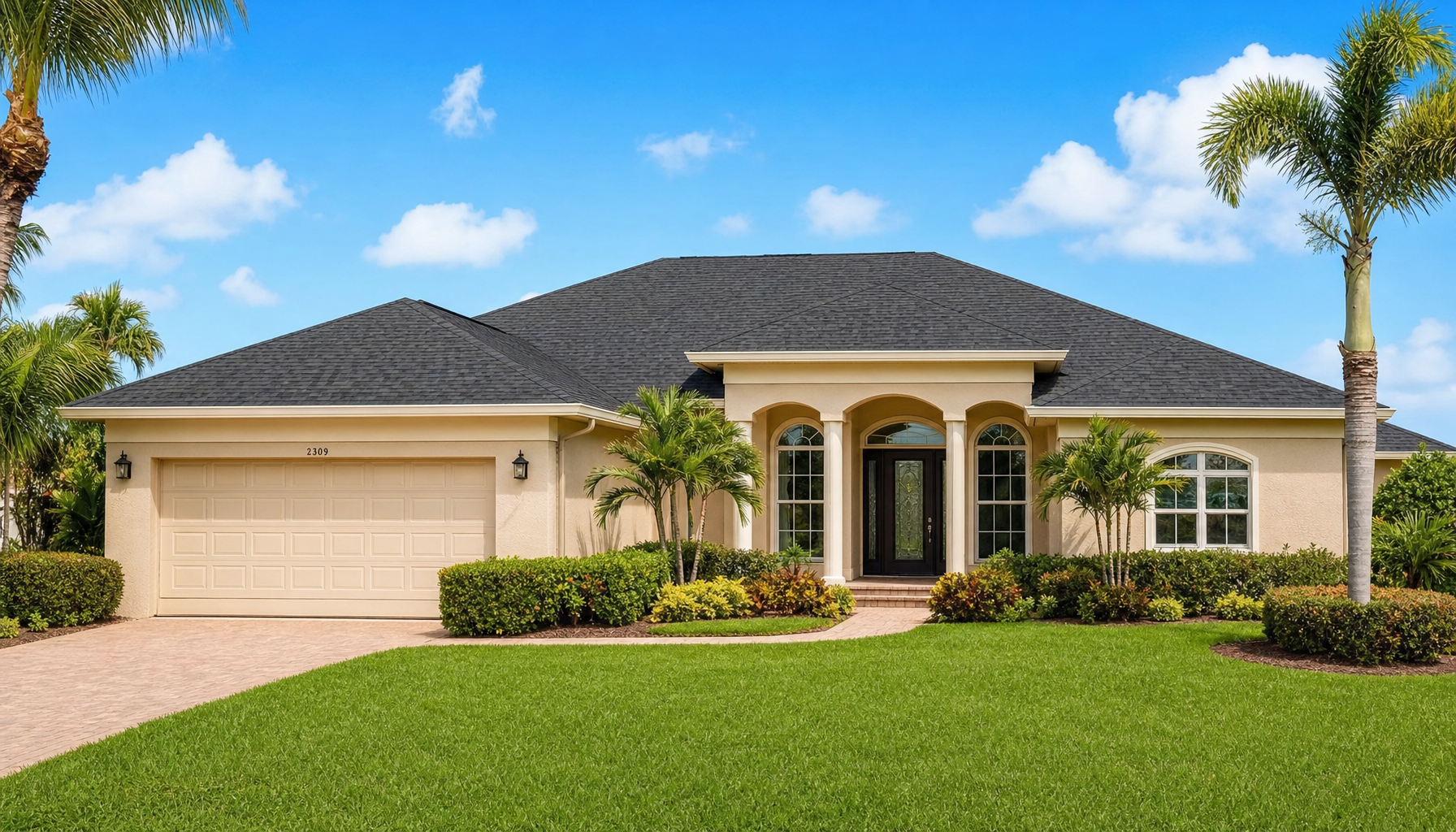

Shingle Roofing
Architectural and impact-resistant shingles installed right the first time. Engineered for Florida's wind and humidity. Learn More/a>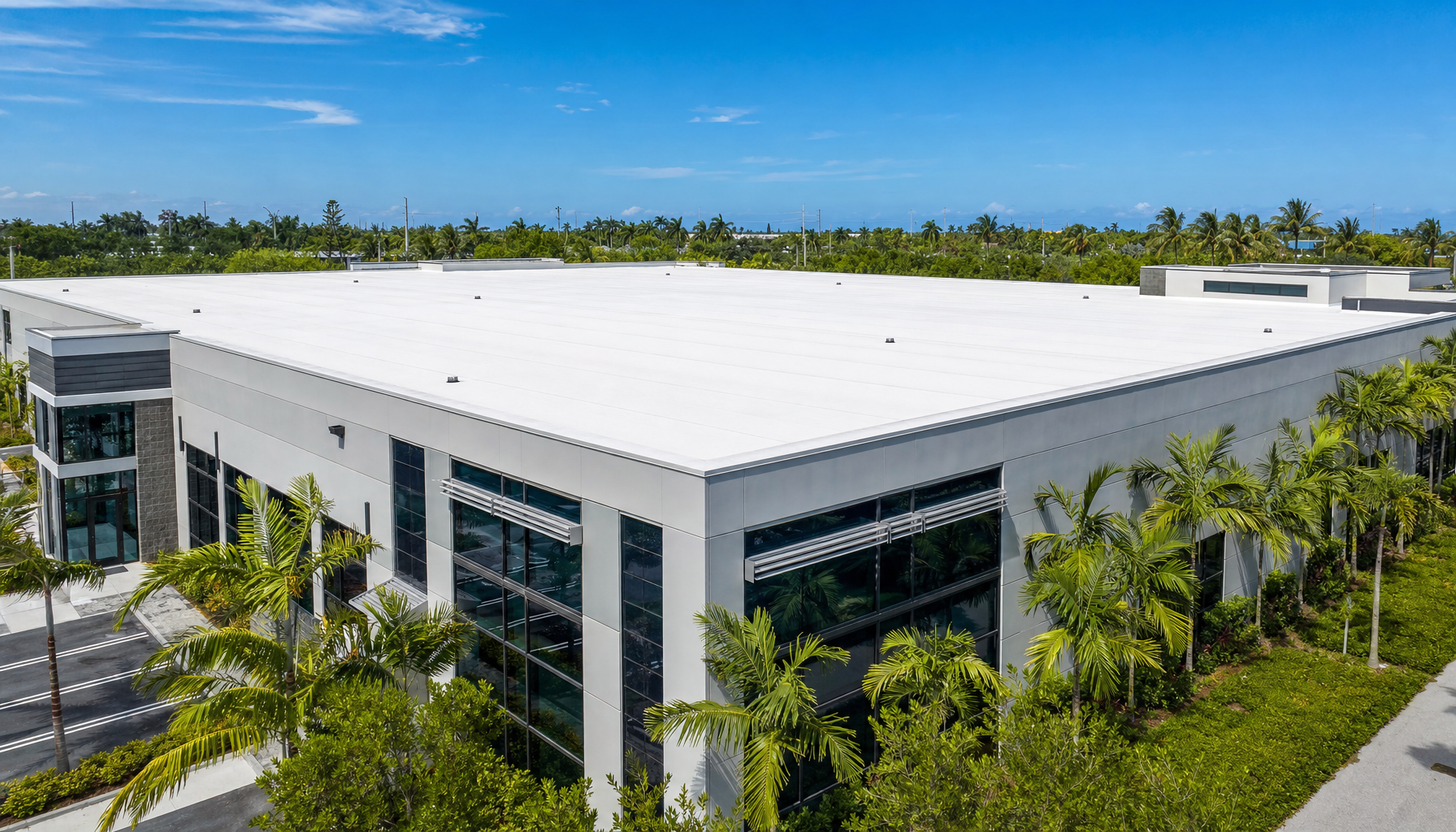

Flat & Commercial
TPO, EPDM, and modified bitumen systems for residential flat roofs and commercial properties. Learn More/a>OUR WORK
Our Work Speaks For Itself
Every job done right — the Renegade standard.
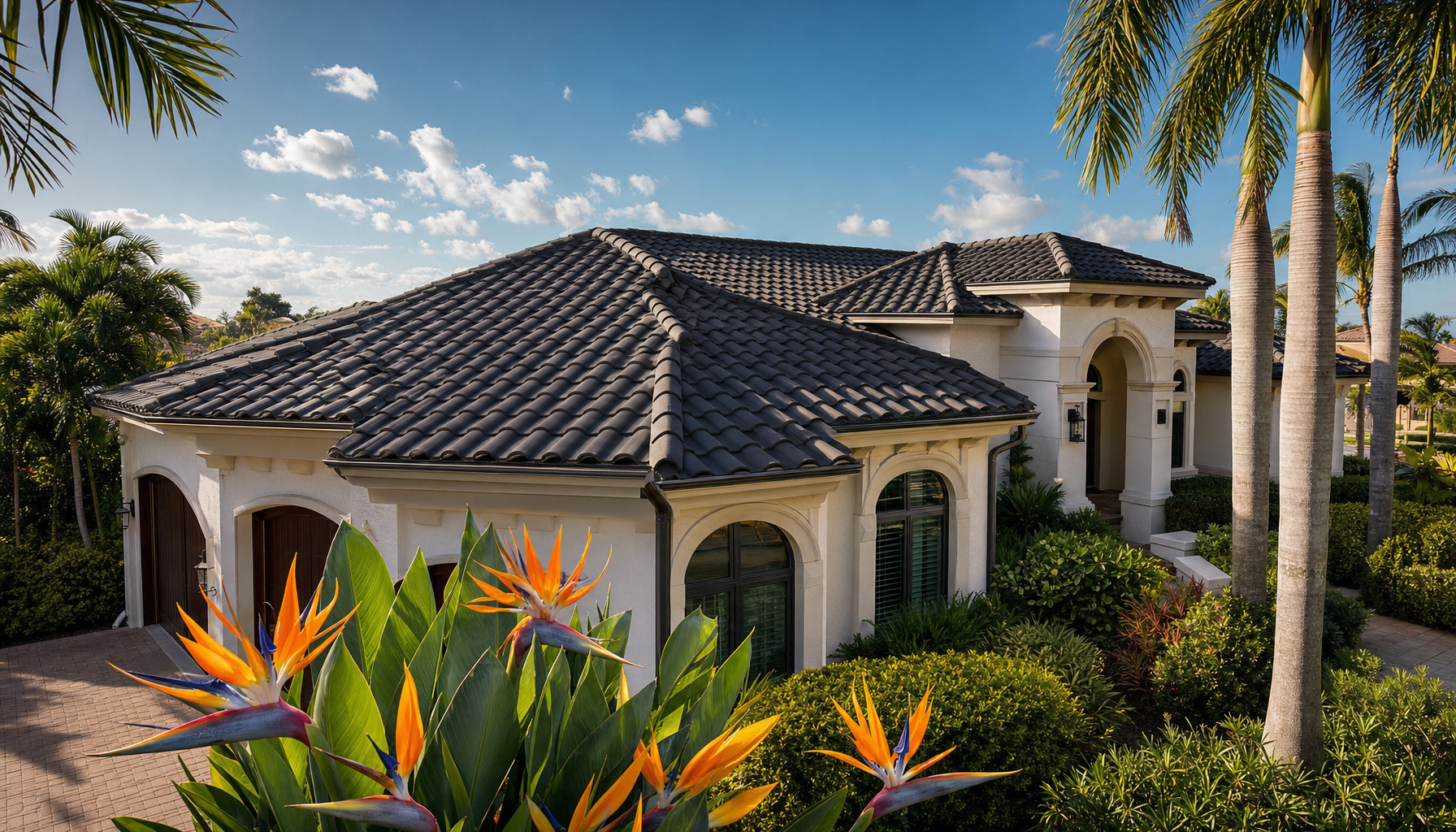
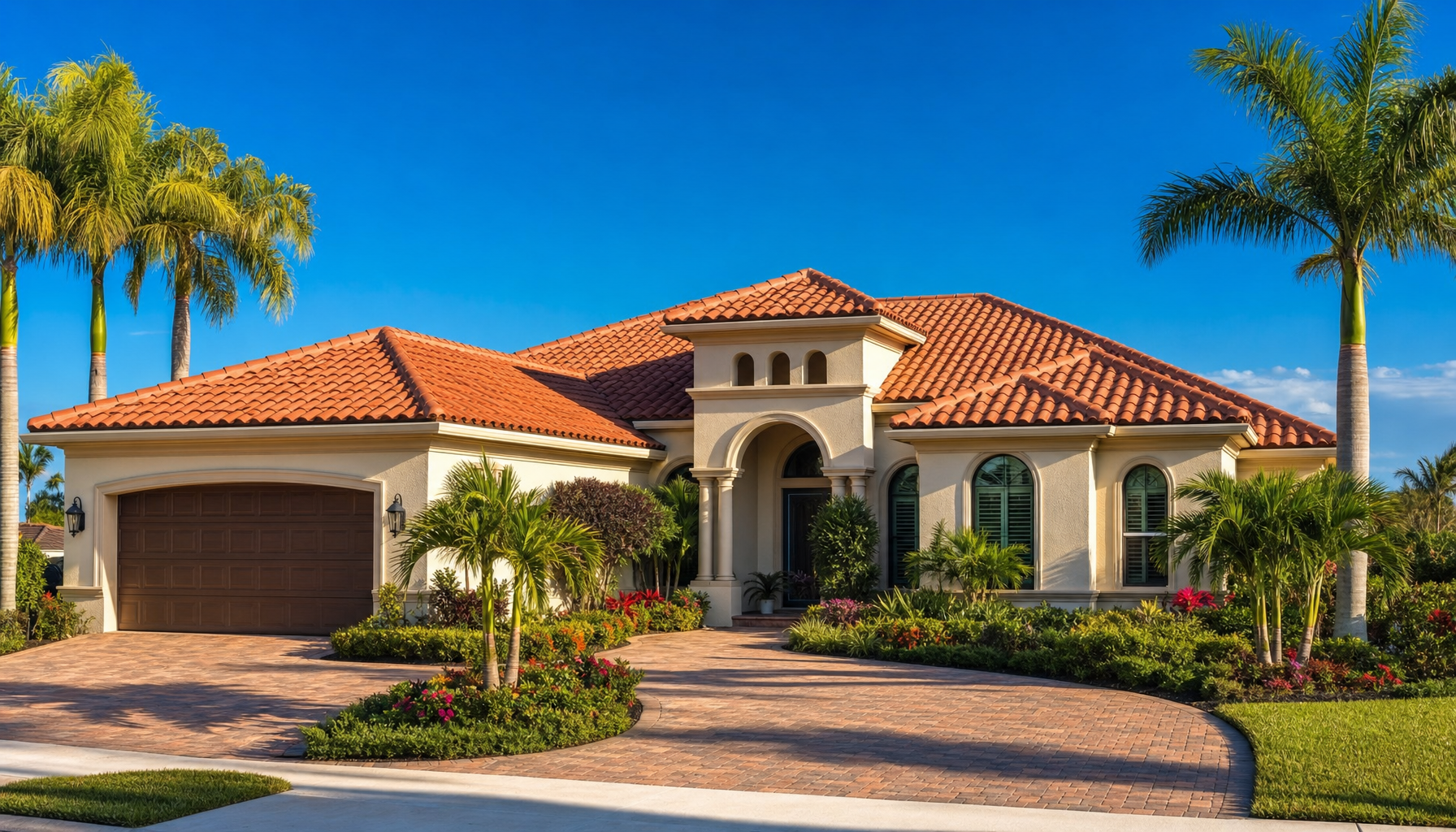
We Built This Company to Be Everything the Industry Isn't.
Radical Honesty
No upsells. No scare tactics. No lowball bids that balloon into change orders. We tell you what your roof actually needs and what it's going to cost — upfront, itemized, and in writing.20+ Years of Real Experience
Not a call center. Not a franchise. We've been on South Florida roofs since 2004, through every hurricane season, every Florida Building Code change, and every roofing material evolution.The Renegade Standard
Every project gets our A-team. We don't sub out to whoever's cheap. We back every job with a 10-year workmanship warranty — because we plan to be around to honor it.Built to Last
We use manufacturer-approved installation methods, premium materials, and licensed inspectors. When a storm comes through next year, your roof should be the thing your neighbors are jealous of."They didn't just fix my roof — they fixed my faith in contractors. William was honest, his team was professional, and the price was exactly what he quoted. In 20 years of homeownership, that's never happened before."— Maryellen A., Deerfield Beach, FL
What South Florida Homeowners Say
10 five-star reviews. Every one of them real.
"William and his team were absolutely incredible from start to finish. He was honest with us about what we needed and didn't try to upsell us on anything we didn't need. The crew was professional, showed up on time, and finished ahead of schedule. Our new roof looks beautiful and we feel so much more confident going into hurricane season."
"I cannot say enough great things about Renegade Roofing. After getting 3 other quotes that were all over the place, William came out, explained everything clearly, and gave me a fair price. The job was done in two days and the cleanup was perfect. My neighbors have already asked for his number."
"Best contractor experience I've ever had — and I've had a lot. William personally walked the roof with me before and after the job. Every question got answered. Every concern was addressed. This is how every home improvement job should go."
"I had a leak that three other roofers couldn't find. William found it in 20 minutes, explained exactly what was causing it, fixed it the same day, and charged me a completely fair price. It's been four months and not a single drop. Highly recommend."
"Renegade replaced my tile roof after hurricane damage. The insurance process alone would have driven me crazy but William handled everything — the adjuster communication, the documentation, all of it. Came in right at my insurance payout. Professional doesn't even cover it."
"As a single woman dealing with contractors, I always feel like I'm getting taken advantage of. Not with William. He explained everything in plain language, never talked down to me, and his price was more than fair. The work was excellent. I finally feel like I have a roofer I can actually trust."
"We had a massive leak the night before a family event and William had someone out the next morning. They tarped the roof, assessed the damage, came back two days later with materials, and had it fixed before the week was out. The communication throughout was exceptional."
"I'm a general contractor myself, so I know what quality looks like. Renegade's work was clean, code-compliant, and done with obvious care. The flashing details alone told me these guys know what they're doing. I'll be sending my clients their way."
"Fantastic company. Got three quotes — Renegade wasn't the cheapest but William explained why his price was what it was and I believed him. Worth every penny. Roof looks incredible, crew was respectful of my property, and they were done in one day."
"Used Renegade for a commercial flat roof replacement on my rental property. These guys know flat roofing. Proper TPO installation, proper drain slopes, warranty documentation — everything I needed for my insurance and my tenants. Already planning to use them on my second property."
Proudly Serving Broward & Palm Beach County
40+ communities. One roofing standard. If you're in South Florida, we've got you covered.
Broward County
Palm Beach County
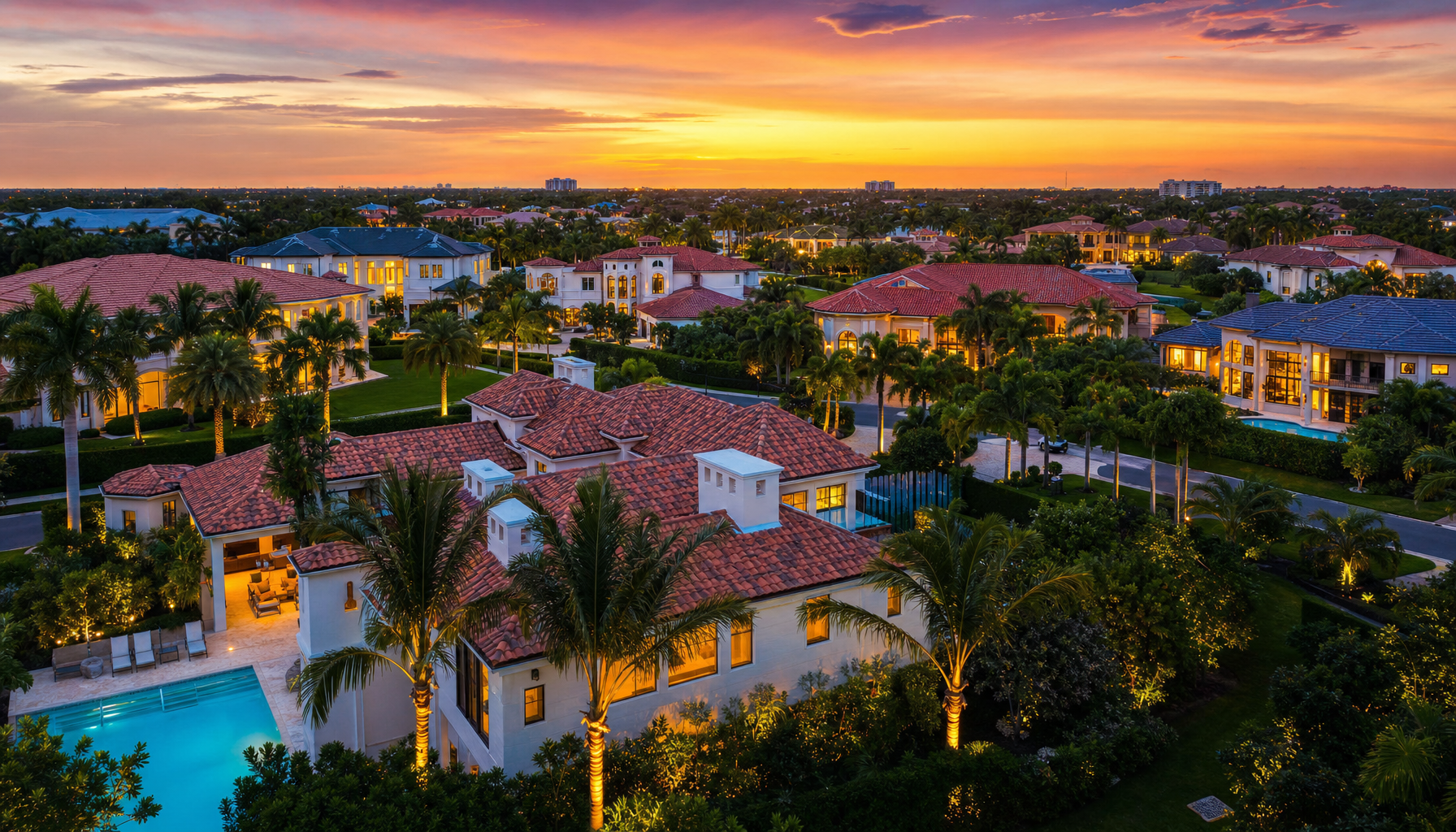
Don't Let Budget Hold Up Your Roof
Roof replacement financing starting at $99/month. Quick approval. Flexible terms. No roof left unprotected.Built in South Florida. Built for South Florida.
It started with a hurricane. Most good Florida stories do. In 2004, William watched his own family's home take damage — and then watched an out-of-state contractor take advantage of the chaos. That experience lit something in him that hasn't gone out since. Twenty years later, Renegade Roofing Co. is the company William wished existed back then: one that's honest about what you need, skilled enough to do it right, and accountable enough to back it up.- Licensed Roofing Contractor — CCC1328895
- General Contractor — CGC1514572
- 20+ years South Florida roofing experience
- 10-year workmanship warranty, every job
- Storm damage restoration specialists
- Tile, metal, shingle, flat & commercial
- Financing available from $99/month
- Broward & Palm Beach County coverage